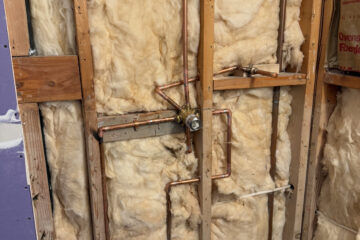
If you’re planning a home remodeling project in Sacramento, one of the most important—and often confusing—questions is whether you need a permit. Many homeowners assume permits are only required for major construction, while others try to avoid them altogether to save time or money. In reality, permits are a critical part of the remodeling process in California, and understanding when and why they are required can save you from serious problems down the road.
This guide explains how permits work in Sacramento, what types of projects require approval, and how to navigate the process smoothly in 2026.
Why Permits Matter More Than You Think
At first glance, permits might feel like just another layer of bureaucracy. However, they serve a very real purpose. In Sacramento, permits ensure that any construction or remodeling work meets current building codes, safety standards, and energy efficiency requirements.
When a permit is issued, it means your project plans have been reviewed by the local building department. Inspections are then scheduled at different stages of construction to verify that the work is done correctly. This protects not only you as a homeowner but also future buyers of your property.
Skipping permits might seem like a shortcut, but it can create long-term risks. Unpermitted work can lead to fines, complications during home sales, and even issues with insurance claims. In some cases, homeowners are required to tear out completed work just to bring it up to code.
What Types of Remodeling Projects Require a Permit?
In Sacramento, permits are generally required whenever a project affects the structure of your home or involves systems like electrical, plumbing, or HVAC. This includes many common remodeling scenarios.
If you are removing or modifying walls, especially load-bearing ones, a permit is almost always required. Structural changes must be reviewed to ensure the stability of the home is not compromised.
Electrical work, such as upgrading panels, adding circuits, or installing new wiring, also requires permits. The same applies to plumbing modifications, including relocating sinks, showers, or water lines.
HVAC work—such as installing or replacing heating and cooling systems—falls under permit requirements as well. Even window and door replacements may require permits depending on the scope and whether structural framing is affected.
Water damage restoration often requires permits if it involves removing and rebuilding walls, ceilings, or floors, especially when structural elements or utilities are involved.
In short, if your project goes beyond surface-level changes, there is a high likelihood that a permit will be required.
What Projects Typically Do NOT Require Permits?
Not all remodeling work requires approval. Cosmetic upgrades that do not affect the structure or systems of your home are usually exempt.
For example, painting walls, installing new flooring, replacing cabinets without changing plumbing or electrical, and minor repairs can typically be done without a permit. These types of updates are considered non-structural and low-risk.
However, it’s important to understand that even small changes can cross into permit territory if they involve hidden systems. For instance, replacing kitchen cabinets may not require a permit—but moving a sink or adding new outlets would.
Because the line is not always clear, many homeowners rely on experienced contractors to determine whether permits are necessary.
How the Permit Process Works in Sacramento
The permit process in Sacramento follows a structured sequence, but the timeline and complexity can vary depending on the project.
It begins with preparing project plans. For smaller jobs, this may be straightforward, but larger remodels often require detailed drawings that show structural, electrical, and plumbing changes.
These plans are submitted to the local building department—either the City of Sacramento or Sacramento County, depending on your location. The plans are reviewed to ensure they meet current building codes and regulations.
Once approved, a permit is issued, and construction can begin. During the project, inspections are scheduled at key stages. For example, framing, electrical, and plumbing work may each require separate inspections before the project can move forward.
At the end of the project, a final inspection is conducted to confirm that everything has been completed according to code. Once approved, the permit is closed.
How Long Does It Take to Get a Permit?
In 2026, permit timelines in Sacramento can vary depending on the complexity of the project and the workload of the building department.
For smaller projects, permits may be approved within a few days to a couple of weeks. Larger remodeling projects that involve structural changes or detailed plans can take several weeks, sometimes longer if revisions are required.
It’s important to factor this time into your overall project schedule. Many delays in remodeling projects are not caused by construction itself, but by waiting for permit approvals.
Working with a contractor who understands the local system can help streamline this process and reduce delays.
What Happens If You Don’t Get a Permit?
Some homeowners are tempted to skip permits to save time or avoid fees. While this might seem convenient in the short term, it can lead to serious consequences.
If unpermitted work is discovered, you may be required to obtain retroactive permits, which can be more expensive and complicated than doing it correctly from the start. In some cases, the city may require you to open up walls or remove finished work for inspection.
Unpermitted work can also create problems when selling your home. Buyers and inspectors often look for records of permitted work, and discrepancies can delay or even cancel a sale.
Insurance is another concern. If damage occurs in an area that was remodeled without permits, your claim could be denied.
In the long run, skipping permits often costs more than following the proper process.
Who Is Responsible for Pulling Permits?
In most cases, the contractor handling your remodeling project is responsible for obtaining permits. This is one of the advantages of working with a licensed professional—they understand the requirements and handle the paperwork for you.
However, homeowners should still stay informed. It’s always a good idea to verify that permits have been issued before work begins. You can usually check permit status through the local building department.
If a contractor suggests skipping permits, that is a major red flag. Reputable professionals prioritize compliance and transparency.
How Much Do Permits Cost?
Permit costs in Sacramento depend on the type and size of the project. Smaller permits for electrical or plumbing work may cost a few hundred dollars, while larger remodeling permits can reach several thousand dollars.
Although this adds to the overall project cost, it is a necessary investment in safety and compliance. Compared to the potential costs of fines, repairs, or legal issues, permit fees are relatively minor.
California Building Codes and Energy Requirements
One important aspect of remodeling in Sacramento is compliance with California’s strict building and energy codes. The state places a strong emphasis on energy efficiency, which can affect everything from insulation and windows to lighting and appliances.
During the permit review process, your project will be evaluated to ensure it meets these standards. This may include requirements for energy-efficient materials, proper insulation, and ventilation systems.
While these regulations can add complexity, they also provide long-term benefits by reducing energy consumption and improving comfort.
Common Permit Mistakes Homeowners Make
Many homeowners run into issues simply because they misunderstand how permits work. One common mistake is assuming that small projects don’t require approval, only to discover later that permits were needed.
Another issue is starting work before permits are approved. Even if plans have been submitted, construction should not begin until official approval is granted.
Some homeowners also rely on unlicensed contractors who avoid permits altogether. This can lead to poor workmanship and legal complications.
The best way to avoid these problems is to work with experienced professionals and take the permit process seriously from the beginning.
Final Thoughts
Permits are an essential part of home remodeling in Sacramento, not just a formality. They ensure that your project is safe, compliant, and built to last. While the process may seem complex at first, it becomes much more manageable when you understand what is required and work with the right team.
By taking the time to secure proper permits, you protect your investment, avoid unnecessary risks, and ensure that your home meets modern standards.
Ready to Start Your Remodeling Project?
If you’re planning a remodel in Sacramento and aren’t sure where to begin, starting with a professional consultation can make all the difference. An experienced contractor can guide you through the permit process, help you plan your project, and ensure everything is done correctly from start to finish.
A free, no-obligation estimate is often the best first step—giving you clarity, confidence, and a clear path forward for your renovation.